


Applications are now open for Environmental Quality Board public board member positions representing Minnesota’s Congressional Districts 1, 2, 6, 7 and 8.
Serving on the board provides a unique opportunity to shape environmental issues in Minnesota, a news release stated. The board provides leadership and coordination across agencies on priority environmental issues, as well as opportunities for public access and engagement.
In addition, the board oversees the Environmental Review Program for the state of Minnesota. Environmental review provides Minnesotans with information on the potential impacts of proposed projects and is carried out by governmental units at the county, city, and state levels.

The board is responsible for providing technical support and making program improvements.
Public board members bring the voices of Minnesotans from around the state into decision-making, helping the board think in new ways about environmental challenges and solutions.
To learn more and apply, visit the board's open positions webpage. Applications are open through Feb. 13, 2026.
"We are looking for individuals who are enthusiastic about environmental stewardship, strategic planning, and collaborative problem-solving," the Environmental Quality Board stated. "Whether you're just starting your career or are an experienced professional, we offer a range of opportunities to grow and contribute to our mission."
Board members are expected to attend one three-hour board meeting per month. These are typically scheduled 1-4 p.m. the third Wednesday of each month at the Minnesota Pollution Control Agency’s Saint Paul office and livestreamed via Microsoft Teams.
In addition to the board meetings, members may spend time reading board meeting documents, talking with board staff, interfacing with the members of the public, or doing background research. Current board members report spending between six and 15 hours per month total on board activities, depending on their interest areas and other commitments.
Public members serve four-year terms ending on the first Monday in January.
Board members can be compensated at the rate of $55 a day spent on board activities, such as attending meetings. They can also receive reimbursement for some expenses such as mileage and child care incurred due to board commitments. More details about compensation can be found in Minnesota Statues 2019, section 15.0575.
Contact Environmental Quality Board Executive Director Catherine Neuschler for any questions. She can be reached at catherine.neuschler@state.mn.us or 651-757-2607.
-
 Larissa Donovan/KAXEChairman Darrell Seki Sr. said Oct. 16, 2026, he is not retiring or stepping down after shocking allegations came to light in Red Lake Nation’s child welfare program.
 -
 Lorie Shaull/KAXEThe 2026-27 winter is likely to see the strongest El Niño since the 1950s, but its day-to-day impacts are yet to be determined.
 -
 In this contributed essay, Majority in the Middle Executive Director Shannon Watson explores political divides, after the election season.
 -
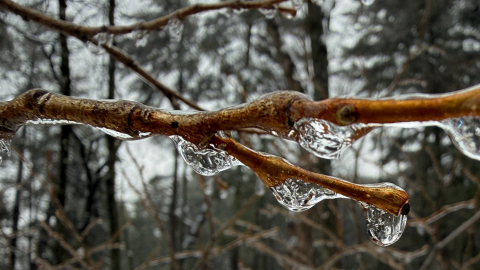 Contributed/Hayley MadlandCharlie Mitchell listens to Sandhill Cranes, ponders Bald Eagle courtship, and learns about cold hardiness in plants.Send us a voice memo through SpeakPipe!
 -
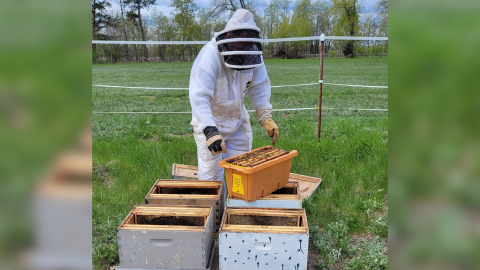 Contributed/Bee'n Happy FarmsBee’n Happy Farms is among the awardees of a Minnesota Department of Agriculture grant that helps beginner farming businesses grow.
 -
 Plus: Brainerd Schools working on bullying action plan after independent review; and Google ditches tax abatement in Hermantown.
 -
 Contributed/City of HermantownThe proposed data center in Hermantown would pay over $240 million over the next 20 years. The City Council will consider some project agreements on Oct. 26, 2026.
 -
 Contributed/Polina Tankilevitch via PexelsThe Minnesota Department of Health is encouraging people to get vaccinated to prevent measles, which is highly contagious and can create serious health complications, including death.
 -
 Contributed/Nicole Neri / Minnesota ReformerFunding for public schools comprises nearly 40% of the state budget and is the single biggest line item. It accounts for about two-thirds of all spending on public schools in Minnesota.
 -
 Contributed/Education MinnesotaIn the 2026 midterms, Minnesotans will vote on a constitutional amendment to increase the yearly allotment from the Permanent School Fund. For some, the measure is decades in the making.


