


A handful of special elections took place in Northern Minnesota on Tuesday, Aug. 12.
In International Falls, a question asking for voter approval for public works and sewer facility improvement bonds failed nearly 10 to 1. Results from the city’s website indicate more than 1,000 people voted against the measure while fewer than 100 voted in favor.
The vote took place because enough residents signed a petition to force the ballot over concerns of city spending. The city wanted to borrow $2.8 million to renovate two garages. According to the public works director, these buildings are over 50 years old and have serious plumbing and health and safety issues. International Falls now must wait 6 months before it can ask voters again.

Voters within Polk County’s Fisher School District approved a referendum increasing its general education revenue by about $1,250 per pupil. The measure won 68% of more than 250 votes cast.
This was the district’s third attempt to pass an operating levy in as many years. Last year, it sought $15 more per pupil and failed by just 25 votes.
The Nett Lake School District in St. Louis County garnered 100% approval of just 19 voters for capital improvement bonds. The measure won’t raise property taxes for residents.

In Two Harbors, a special election took place for an at-large council member, with Donna Heil securing more than 54% of the vote or 42 more votes than her opponent, Laura Oxbakken Goutermont.
Results are considered unofficial until canvassed by the respective elected boards.
-
 Larissa Donovan/KAXERelatives confirmed that 17-year-old Dylon Oothoudt of Walker was the male found dead Sept. 13, 2026, in a Cass Lake yard. An autopsy ruled the death a homicide by gunshot wound.
 -
 Contributed/Brainerd Fire Department FacebookThe National Weather Service and public safety officials will be able to use data collected by the Climavision radar installed Sept. 15, 2026, to inform weather warnings.
 -
 Plus: MN Court of Appeals to host oral arguments at Pequot Lakes High School.
 -
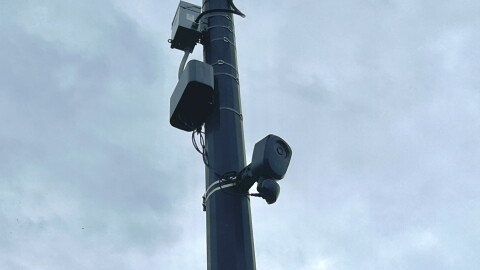 Emma Krab/KAXEAll county cameras have been removed as of Thursday, Sept. 10, 2026. Cameras under city jurisdiction may remain.


