


The Minnesota State Climatology Office is seeking rainfall monitors for the Community Collaborative Rain, Hail and Snow Network.
The network includes more than 20,000 volunteers nationwide who measure precipitation in their backyards using a standard 4-inch diameter rain gauge.
Participants submit their precipitation reports online.
The office stated the data from backyard rain gauges are a critical source of information and it’s beneficial to add more volunteer weather observers each year, even in areas where there are already volunteers.
Volunteers are particularly needed outside the immediate Twin Cities metro area.
Volunteers receive training on how to observe weather trends and how to submit their precipitation and weather event reports.
To sign up or for more information, visit CoCoRaHS.org or contact Luigi Romolo, state climatologist, at luigi.romolo@state.mn.us.
-
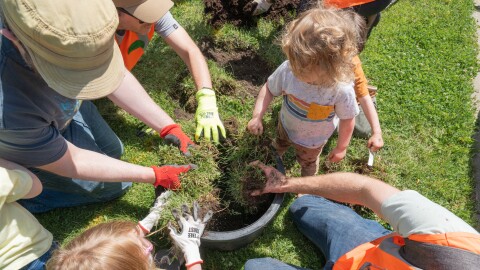 Contributed/Deborah Rose / Minnesota Department of Natural ResourcesThirty-three communities received nearly $5 million in funding, including Virginia, Hill City and other Northern Minnesota cities. A new DNR grant closes Sept. 14, 2026.
 -
 Contributed/USFWS Midwest RegionCo-hosts Jennifer Barr and Charlie Mitchell discuss toads, marvel at kestrels, and ponder the changing seasons.Send us a voice memo through Speak Pipe!
 -
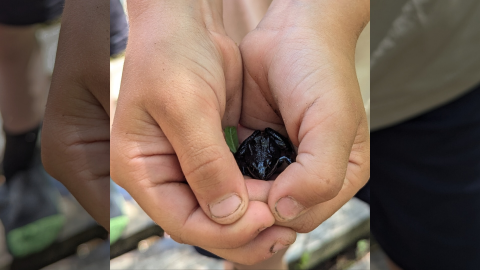 Contributed/Leona CichyDuring the week of August 11, 2026, we enjoy reports of frogs, loons, and tussock moth caterpillars. Staff phenologist John Latimer responds.
 -
 During the Phenology Report for the week of Aug. 11, 2026, Staff Phenologist John Latimer remarks on Red-eyed Vireos, blooming flowers, and Carolina grasshoppers.
 -
 Contributed/Lorie ShaullThe Minnesota Department of Natural Resources reminds harvesters ahead of the Aug. 15, 2026, season opener that rice must be ripe for legal harvest.
 -
 Contributed/Minnesota Department of Natural ResourcesThe Department of Natural Resources reported forest tent caterpillars have damaged the leaves of 60,000 acres of foliage around Aitkin County in 2026.
 -
 Lorie Shaull/KAXEBoundary Waters entry points near Big Moose Lake and Big Lake are also scheduled to reopen on Aug. 13, 2026.
 -
 Co-hosts Heidi Holtan and Charlie Mitchell discover goblin ferns (also known as goblin moonworts), gaze at snapping turtles, and discuss what it means to be a naturalist.Send us a voice memo through Speak Pipe!
 -
 Contributed/Courtney Celley/USFWSDuring the Phenology Report for the week of August 4, 2026, Staff Phenologist John Latimer remarks on ripening berries and nuts and caterpillars turning into butterflies.
 -
 Contributed/Three Rivers Park DistrictFor Minnesota youths, leaders in charge of combating invasive species in lakes said the work can be a career training game changer.


