


The Minnesota Department of Natural Resources has added two Northern Minnesota counties to a deer feeding and attractant ban.
The ban now extends to Becker and Clearwater counties.
The intent of the ban is to reduce the risk of chronic wasting disease spread, following detections of CWD in wild deer in new areas of the state last year. Feeding encourages deer to unnaturally congregate, which can increase the likelihood of transmission if a deer is infected.

The other new counties are Grant, McLeod and Meeker.
These counties join 32 others: Aitkin, Anoka, Beltrami, Carver, Cass, Clay, Crow Wing, Dakota, Dodge, Fillmore, Goodhue, Hennepin, Houston, Hubbard, Itasca, Le Sueur, Mower, Norman, Olmsted, Polk, Ramsey, Rice, Scott, Sherburne, Sibley, Steele, Traverse, Wabasha, Washington, Wilkin, Winona and Wright counties.
Even in areas outside the ban, the DNR discourages people from feeding deer.
"People interested in helping deer should focus efforts on improving habitat to provide long-term food resources and shelter," a DNR news release stated.
-
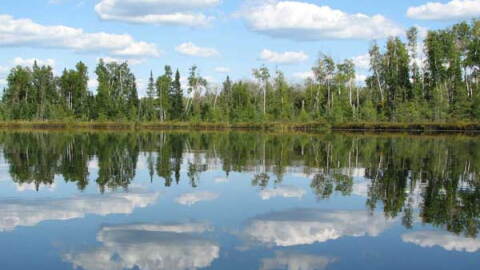 Contributed/Itasca WatersThe Clean Water Legacy Partners Grants Program funds projects proposed by tribal entities, tribal governments and nonprofit organizations through the program.
 -
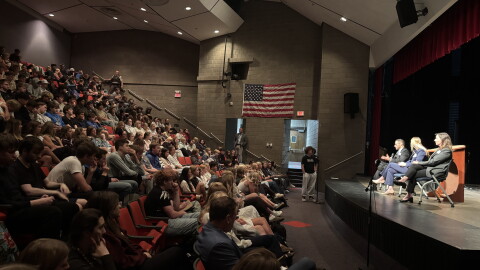 Megan Buffington/KAXEThe Minnesota Court of Appeals heard oral arguments at Pequot Lakes High School on Sept. 22, 2026, in front of 300 upperclassmen.
 -
 During the Phenology Report for the week of Sept. 22, 2026, Staff Phenologist John Latimer remarks on changing autumn colors, departing birds, and the taste of nannyberries.
 -
 Contributed/Adobe Stock via Minnesota News ConnectionFederal safety net program cuts are on the minds of economists with new data on last year's median incomes, official poverty rate and holistic poverty rate.
 -
 Contributed/Lorie Shaull via FlickrEarly voting options in Minnesota began on Sept. 18, 2026. Those who aren't yet registered can do so now, or even on Election Day.
 -
 Contributed/Will OwensGet to know the volunteers behind the mic on KAXE. This week we find out more from On The River host and volunteer, Will Owens.
 -
 Plus: Early voting opened Sept. 18, 2026, for all eligible voters Minnesota; and Northern Minnesota tribes are among groups receiving Clean Water Legacy grants.
 -
 Malachy Koons/KAXEThe KAXE Music Team on new music from Angela Autumn, Son Rompe Pera, Cedar County Cobras, Kiko Mizuhara, Brandy Clark, Menahan Street Band and Meels. Plus, The Lamont Cranston Band in '76.
 -
 Contributed/Bemidji Fire DepartmentThe Bemidji Fire Department responded to a mobile home fire in Northern Township on Sept. 20, 2026. One occupant had escaped while another was unaccounted for at the time of the report.
 -
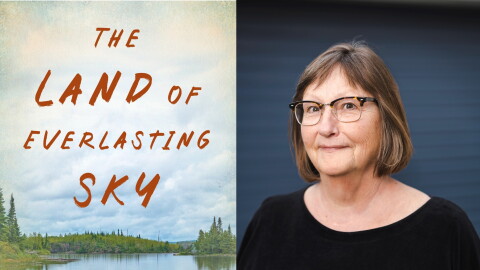 Contributed/Book cover—Simon & Schuster; Author photo—authorAuthor Jill Swenson’s new book "The Land of Everlasting Sky" is a vivid and informative read, combining her family history with Warroad Ojibwe elder Kakaygeesick’s to show that we need to reconcile with the past in order to move forward.


