

-
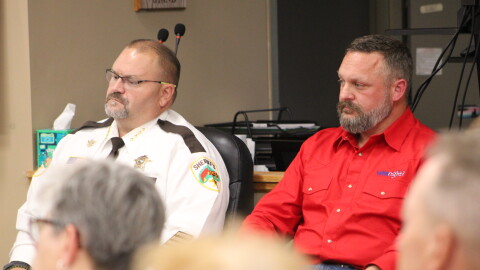 Megan Buffington/KAXEA misconduct complaint and investigation into Cass County Sheriff Bryan Welk were not addressed at a Sept. 8, 2026, forum. His opponent, Deputy Aaron Ammerman, said the office is “fractured from within.”
 -
 Lorie Shaull/KAXEThe fallout could affect consumers and businesses across the country, but Canada targeted many of its tariffs to inflict political pain just ahead of the U.S. midterm elections.
 -
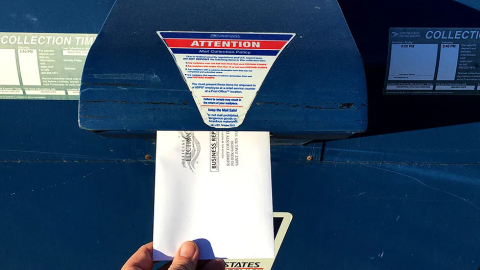 Contributed/Corey Anderson/MinnPostAs Minnesota fights the Trump administration in court, local election officials say mail-in ballots have not been controversial.
 -
 Contributed/Abstrakt Xxcellence Studios via PexelsThe U.S. Postal Service rushed electronic tools to comply with a policy placing restrictions on mail-in voting, according to an whistleblower complaint published Tuesday.


Lorie Shaull
/
KAXE
Minnesotans are choosing candidates for state and federal offices and also narrowing the field for some county offices, city races in Bemidji, Hibbing, Chisholm and Cloquet, and Red Lake School Board.

Lorie Shaull
/
KAXE
These are the candidates who filed for office in Northern Minnesota for the 2026 election, including for city, school board and county races.
-
 A question on the November ballot asks if the state should increase money flowing from a special fund dating back to Minnesota's statehood.
 -
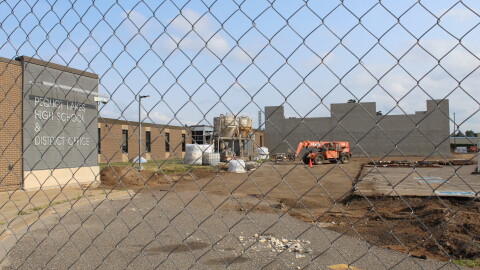 Megan Buffington/KAXENew state aid covers part of the operating levy for school districts that have lots of cabins. Some districts say they'll offset the levy if voters approve it, meaning more money for the school, while taxes stay the same or go down.


-
 Tuesday’s record-breaking turnout was likely driven by competitive races for Minnesota governor on the Republican side and the U.S. Senate on the Democratic-Farmer-Labor side.
 -
 Erik Osberg will face Republican Rep. Michelle Fischbach in the Nov. 3, 2026, general election, based on unofficial results from Minnesota's primary election.
 -
 All across the state, neighbors gathered Aug. 11, 2026, to participate in the primary election process: from turning on the lights, to checking voters in, to casting ballots.
 -
 Aaron Young and Leslie Bouchonville in District 3 and Tyler Seifert and Scott D. Bruns in District 4 are advancing to the Nov. 3, 2026, general election, based on unofficial results from the primary election.
 -
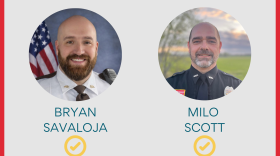 Bryan Savaloja and Milo Scott are advancing to the Nov. 3, 2026, general election, based on unofficial results from Minnesota's primary election.
 -
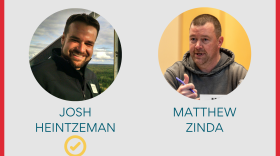 Rep. Josh Heintzeman is advancing to the Nov. 3, 2026, general election, based on unofficial results from Minnesota's primary election.
 -
 Incumbent Rosemary Franzen and challenger Dawn Espe are advancing to the Nov. 3, 2026, general election, based on unofficial results from Minnesota's primary election.
 -
 Republican State Sen. Nathan Wesenberg and endorsed House 10A candidate Mark Striemer are advancing to the Nov. 3, 2026, general election, based on unofficial results from Minnesota's primary election.
 -
 Dan Danielson and Chad Walsh are advancing to the Nov. 3, 2026, general election, based on unofficial results from Minnesota's primary election.
 -
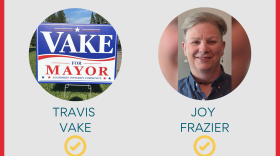 Travis Vake and Joy Frazier are advancing to the Nov. 3, 2026, general election, based on unofficial results from Minnesota's primary election.


