-
 The organization aims to help Minnesota forests regenerate after fire and disease and protect them in the future.
 -
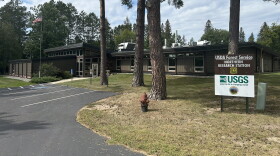 The Northern Research Station was among several sites slated for closure in March 2026 when the Trump administration announced a major reorganization of the service.
 -
 Forest Service officials continue to reopen additional sites and recreation areas impacted by wildfire in July 2026.
 -
 The campfire ban across the Superior National Forest was lifted Aug. 24, 2026, as cooler temperatures reduce wildfire risk. Parts of the Boundary Waters remain closed due to wildfires.
 -
 Aircraft play an essential role in fighting wildfires. Seaplanes from the Ely seaplane base drop water, fire retardant and deliver firefighters — and canoes — to the blazes.
 -
 The delayed Forest Service grants would have supported prescribed burns and other fuel-reduction efforts on thousands of acres near the Echo Trail, which has borne the brunt of this year’s fires.
 -
 Campfires are now allowed in designated fire rings at Superior National Forest campgrounds, but not at backcountry sites, after updates to fire restrictions July 29, 2026.
 -
 The reopened area is about 39% of the wilderness area and follows a partial reopening for day use on July 27, 2026. All other entry points remain closed due to wildfires.
 -
 Rain has helped limit fire activity, but heat remains trapped in leaf litter on the forest floor, and firefighters are still hard at work.
 -
 Firefighters are using sprinkler systems and fuel removal to protect structures like homes from wildfire. The systems work to dampen the areas around structures to prevent fire.

© 2026
For assistance accessing the Online Public File for KAXE or KBXE, please contact: Steve Neu, IT Engineer, at 800-662-5799.
For assistance accessing the Online Public File for KAXE or KBXE, please contact: Steve Neu, IT Engineer, at 800-662-5799.

Play Live Radio
Next Up:
0:00
0:00
Available On Air Stations


