



This week on John Latimer's phenology report, late summer is crazy with color across Northern Minnesota. Wild bergamot, goldenrod, asters, Joe Pye Weed and dozens of other wildflowers are blooming, while berries and seed pods remind us of the inevitable shift toward autumn.
What's blooming at your place? Record it here!
John also shares tips for telling plants apart, including the often-confused Canada and tall goldenrods. We also get observations of butterflies defending nectar, ripening chokecherries and hazelnuts, and a black bear that stopped by looking for an evening snack. John and his dog Mila were not thrilled with the visit.

If you appreciate John's report on what is happening in nature in Northern Minnesota, keep it going with your support now. KAXE is an independent public radio station with a commitment to telling the stories fof the people and the land of Northern Minnesota.
All are welcome to join the nature conversation: what have you seen this week? Let us know: email us at comments@kaxe.org or text us at 218-326-1234.
For more phenology, subscribe to our Season Watch Newsletter and podcast or visit the Season Watch Facebook page.
-
 Contributed/Daniel DewaldCisco and other cold water fish died by the thousands in the large, shallow lake as water temperatures soared to an average of 77 degrees in late July and early August 2026.
 -
 Contributed/Adobe Stock via Minnesota News ConnectionPublic health experts said states can better prepare for future illness outbreaks by keeping a sharp eye on climate change.
 -
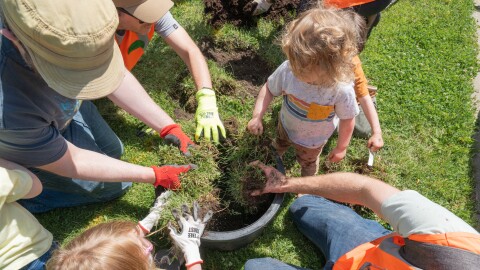 Contributed/Deborah Rose / Minnesota Department of Natural ResourcesThirty-three communities received nearly $5 million in funding, including Virginia, Hill City and other Northern Minnesota cities. A new DNR grant closes Sept. 14, 2026.
 -
 Contributed/Lorie ShaullThe Minnesota Department of Natural Resources reminds harvesters ahead of the Aug. 15, 2026, season opener that rice must be ripe for legal harvest.
 -
 Contributed/Minnesota Department of Natural ResourcesThe Department of Natural Resources reported forest tent caterpillars have damaged the leaves of 60,000 acres of foliage around Aitkin County in 2026.
 -
 Lorie Shaull/KAXEBoundary Waters entry points near Big Moose Lake and Big Lake are also scheduled to reopen on Aug. 13, 2026.


