


ST. PAUL — Minnesota is set to receive the first installment of Rural Health Transformation Program funding from the Centers for Medicaid and Medicare Services.
The funding is part of the legislation passed July 4, 2025, that implemented sweeping changes to the country's public service programs like Medicaid and the Supplemental Nutrition Assistance Program.
The Rural Health Transformation Program includes $50 billion to be awarded to states over the next five years.
All 50 states received first-year base funding, but Minnesota was also awarded "significant additional funds recognizing Minnesota's innovative plan" to address rural health care challenges, according to a news release from the state Department of Health.
Funding will support: new technology tools to bring care closer to home for rural residents with telehealth; initiatives to improve outcomes for Minnesotans with or at risk of developing cardiovascular disease, diabetes and chronic kidney disease; and expanding the rural health care workforce.

Money will also go toward enhancing technology-enabled care delivery, including mobile and community-based services; strengthening provider partnerships; and bolstering the financial stability of rural providers through investments in technology and data infrastructure.
“With rural Minnesota facing unprecedented access and funding challenges, this award comes at a crucial time,” stated Minnesota Commissioner of Health Dr. Brooke Cunningham in a news release.
“It is an important investment in our rural communities, and we are excited to begin working with our partners to advance access to high-quality care, improve outcomes and ensure sustainable services in Greater Minnesota for years to come.”
The MDH's proposal for funding, submitted Nov. 4, asked for $1 billion over the next five years. The proposal was crafted after extensive collaboration with rural community stakeholders, such as hospitals and health systems, safety net clinics, tribes and local public health agencies.
State officials will continue to engage stakeholders as implementation of the program begins.
-
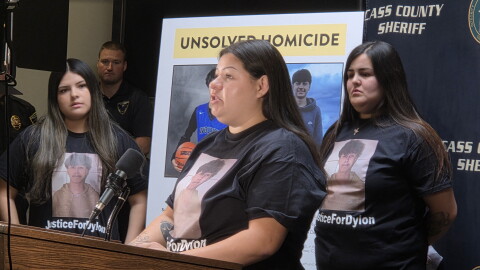 Larissa Donovan/KAXEThe family of Dylon Oothoudt, the Leech Lake Band of Ojibwe and the Cass County Sheriff's Office hosted a press conference Oct. 7, 2026, as the homicide investigation continues.
 -
 Matt C/UnsplashThe rechargeable batteries are used in nearly every home and are generally safe but can be dangerous.
 -
 Maria Hileman/KAXEThe Grand Rapids Police Department is investigating a prank call about a fabricated shooting at Old Central School on Oct. 6, 2026.
 -
 Canva ProThe highway had been closed since May for construction.
 -
 Contributed/Anna Paige for MinnPostState Sen. (and meteorologist) Rob Kupec and GOP challenger Austin Peterson are squaring off in the race to represent the Moorhead area in St. Paul.
 -
 Plus: Highway 71 has reopened between Turtle River and Tenstrike; and lithium-ion battery safety highlighted during Fire Prevention Week.
 -
 ContributedRepublican-aligned groups are spending heavily on Andrea Zupancich's campaign for the state Senate District 3 seat.
 -
 Contributed/NOAA Great Lakes Environmental Research LaboratoryThe invasive mussels were attached to boats from Sauer Lake and Eleventh Crow Wing Lake.
 -
 Larissa Donovan/KAXELaw enforcement personnel warn of a known scam circulating the area, where scammers impersonate deputies to solicit payments for fictitious warrants.
 -
 Contributed/Robin Opsahl | Iowa Capital DispatchThe Republican-controlled Iowa Legislature met in special session to nearly double the state's allowable tax incentives as Mesabi Metallics plans a steel mill there.


