


An uptick of respiratory disease in recent weeks comes as Minnesotans are planning end-of-year celebrations and gatherings.
Health officials issued a reminder Thursday, Dec. 18, that vaccination is one of the best ways to prevent the spread.
While these viruses may only cause mild illness for some people, they can cause severe illness, hospitalization and even death, for others.
Hospitalization data from the Minnesota Department of Health released Thursday shows a steep climb in those suffering from influenza.
Flu hospitalizations in the state have more than doubled since Thanksgiving.
Those hospitalized with COVID-19 and RSV have also increased.
For the week of Dec. 7, 29 K-12 schools in the state reported respiratory illness outbreaks, meaning at least 10% of the student population is out sick.
Minnesota officials said it’s still too early to determine the dominant flu strain of the season or how severe the season will be. And they said this is why taking steps to get protected now is important.
A wealth of scientific evidence shows that vaccinations for flu, COVID-19 and RSV help prevent illness, and help lower the risk of hospitalization and death if people do become infected.
Infants and young children are among those who are particularly at risk of getting very sick.


In Wisconsin, the health department reported the state’s first two pediatric deaths of the season on Thursday.
Others at higher risk of getting very sick are adults age 65 and older; pregnant people; and anyone who has an underlying medical condition.
Everyone 6 months of age and older is recommended to get a flu vaccine each year and can get the updated COVID-19 vaccine. The COVID vaccine is especially important for people who are younger than 2, pregnant, 65 or older, or have a health condition that puts them at higher risk for getting very sick, the health department stated.
The RSV vaccination is recommended for infants, pregnant people or older adults if they have not received it before.
These vaccination recommendations align with those of the American Academy of Pediatrics, the American Academy of Family Physicians and the American College of Obstetricians and Gynecologists. Health officials recommend people talk to their health care provider about what vaccines are recommended for you and your family.
-
 Emma Krab/KAXEAll county cameras have been removed as of Thursday, Sept. 10, 2026. Cameras under city jurisdiction may remain.
 -
 Lorie Shaull/KAXEThe Minnesota Pollution Control Agency is surveying people's fish-eating habits to help limit contaminants in water bodies and make fish safer to eat.
 -
 Emma Krab/KAXEThe tax used to fund civic center improvements will end Dec. 31, 2026.
 -
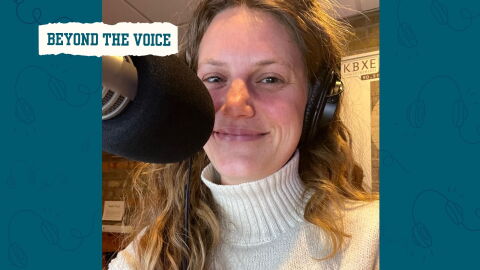 Contributed/Michelle BedfordGet to know the volunteers behind the mic on KAXE. This week we find out more from longtime On The River host and volunteer, Michelle Bedford.
 -
 Maria Hileman/KAXEKAXE's weekly list of concerts near you features Known Only Locally, The Brothers Burn Mountain, Tattletale and a Community Open House Jam.
 -
 Contributed/Chad KaddatzDuring the week of Sept. 15, 2026, we enjoy reports of changing leaves and migrating birds and insects. Staff phenologist John Latimer responds.
 -
 Contributed/Grand Rapids PlayersGrand Rapids Players present the original play “Frankenfeldt” Sept. 25-27 and Oct. 2-4 at the Ives Studio Theater in the Reif Center. The director and two actors guest on “Area Voices.”
 -
 Contributed/Wild HorsesAttendees get an exclusive first listen to the latest album from Wild Horses, "The In Between," and hear a band interview by Music Director Kari Hedlund in Grand Rapids, MN.
 -
 Plus: Zebra mussels found at two lakes on the Leech Lake Band of Ojibwe Reservation; Pollution Control Agency seeks participants for fish consumption survey.
 -
 Leech Lake Band of Ojibwe staff also found starry stonewort in Six Mile Lake, near the city of Cass Lake.


