


BRAINERD — Crow Wing County completed an updated draft of its Hazard Mitigation Plan and is now seeking public feedback.
Like all Minnesota counties, Crow Wing County is vulnerable to a variety of natural hazards such as tornadoes, windstorms, severe winter storms, flooding, drought and extreme temperatures, which can threaten the loss of life and property in the county.
Planning for natural disasters minimizes the impact of events that can cause vast economic loss and personal hardship.
County leaders are encouraging all county residents, as well as other interested agency or organizational stakeholders, to review and offer feedback on the interactive website, PDF of the draft plan and proposed local mitigation actions.
The review and comment period is open through Nov. 26. The public can access the plan using at the homepage or find the mitigation action charts here.
The Crow Wing County Hazard Mitigation Plan is a multi-jurisdictional plan covering all cities and townships within the county. The plan also incorporates the concerns and needs of other key stakeholders, such as school districts and related agencies, organizations or businesses participating in the planning process.


Update of the plan has been under direction of Crow Wing County Emergency Management in cooperation with U-Spatial at the University of Minnesota Duluth and representatives from county departments, city and township governments and other participating stakeholders. Together, the planning team worked to identify cost-effective and sustainable actions to reduce or eliminate the long-term risk to human life or property from natural hazards, according to a news release.
Examples include infrastructure projects for areas that experience repetitive flooding; construction of safe rooms in areas where residents and visitors are vulnerable to tornadoes and severe storm events; burying powerlines that may fail due to heavy snow, ice or windstorms; ensuring timely emergency communication to the public through warning sirens and mass notification systems; and conducting outreach to increase public awareness of severe weather and personal preparedness.
Updating the plan further allows Crow Wing County and its jurisdictions to be eligible to apply for future Federal Emergency Management Agency Hazard Mitigation Assistance grant program funding for projects that help to reduce or eliminate the impacts of future natural hazard events.
The plan will be submitted to the state of Minnesota and FEMA for review.
Comments, concerns or questions regarding the draft plan or your ideas for mitigation projects should be submitted either via the online public feedback form or by contacting Crow Wing County Emergency Management by phone at 218-829-4749 or by email at Damage@crowwing.gov.
-
 Emma Krab/KAXEAll county cameras have been removed as of Thursday, Sept. 10, 2026. Cameras under city jurisdiction may remain.
 -
 Lorie Shaull/KAXEThe Minnesota Pollution Control Agency is surveying people's fish-eating habits to help limit contaminants in water bodies and make fish safer to eat.
 -
 Emma Krab/KAXEThe tax used to fund civic center improvements will end Dec. 31, 2026.
 -
 Contributed/Michelle BedfordGet to know the volunteers behind the mic on KAXE. This week we find out more from longtime On The River host and volunteer, Michelle Bedford.
 -
 Maria Hileman/KAXEKAXE's weekly list of concerts near you features Known Only Locally, The Brothers Burn Mountain, Tattletale and a Community Open House Jam.
 -
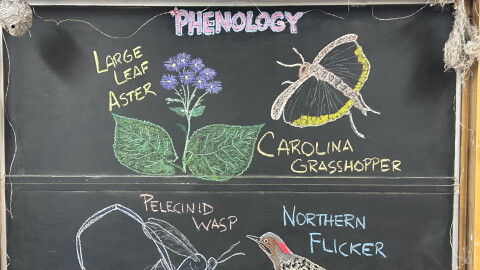 Contributed/Chad KaddatzDuring the week of Sept. 15, 2026, we enjoy reports of changing leaves and migrating birds and insects. Staff phenologist John Latimer responds.
 -
 Contributed/Grand Rapids PlayersGrand Rapids Players present the original play “Frankenfeldt” Sept. 25-27 and Oct. 2-4 at the Ives Studio Theater in the Reif Center. The director and two actors guest on “Area Voices.”
 -
 Contributed/Wild HorsesAttendees get an exclusive first listen to the latest album from Wild Horses, "The In Between," and hear a band interview by Music Director Kari Hedlund in Grand Rapids, MN.
 -
 Plus: Zebra mussels found at two lakes on the Leech Lake Band of Ojibwe Reservation; Pollution Control Agency seeks participants for fish consumption survey.
 -
 Leech Lake Band of Ojibwe staff also found starry stonewort in Six Mile Lake, near the city of Cass Lake.


