-
 An estimated 15,000–20,000 seasonal agricultural workers arrive for work in Minnesota during the peak harvesting season, according to the National institutes of Health.
 -
 The Minnesota Department of Agriculture is seeking comments on the socioeconomic impacts of large-scale dairies through Oct. 1, 2026.
 -
 The designation applies in Beltrami, Itasca, Koochiching, Lake of the Woods and St. Louis counties.
 -
 Northern Minnesota competitors were among the youths who showed 2,778 animals at the 2026 state fair in St. Paul.
 -
 Neighbors converge for fair fun: showing or judging livestock, enjoying classic or new foods on offer, admiring prize-winning artwork or baked goods or simply gathering in community.
 -
 Local livestock producers face limited options for meat processing and slaughter amid market consolidation and workforce shortages.
 -
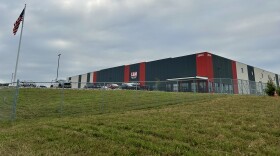 L&M Fleet Supply announced a planned acquisition of Family Center Farm and Home, a Missouri-based company with seven stores in Missouri and Kansas.
 -
 He said the process in recent years has become so fraught with partisan approaches that smaller, independent operations like his are left fighting for scraps.
 -
 Individual grants will range from $1,500 to $150,000. Eligible applicants include farmers and livestock producers and organizations that train or support farmers.
 -
 Input costs are rising due to the trade war and the Iran war. Eight farmers have already filed for bankruptcy this year, double the amount for the entire year of 2024.

© 2026
For assistance accessing the Online Public File for KAXE or KBXE, please contact: Steve Neu, IT Engineer, at 800-662-5799.
For assistance accessing the Online Public File for KAXE or KBXE, please contact: Steve Neu, IT Engineer, at 800-662-5799.

Play Live Radio
Next Up:
0:00
0:00
Available On Air Stations


