BENA — A beach in Bena at the south end of Lake Winnibigoshish tested positive for unsafe levels of E. coli.
The Leech Lake Division of Resource Management recommended people avoid swimming in the area in a Facebook post Wednesday, Aug. 12.
The division conducts routine water testing from Memorial Day weekend to Labor Day, according to Jake Sorensen, water resource program manager.
The Leech Lake Band of Ojibwe has reservation-specific water quality standards. The E. coli standards match those recommended by the Environmental Protection Agency and the Minnesota Department of Health.


Sorensen said ducks and geese go through a two-week period of molting between July and early September. They don’t fly during that time and often gather on beaches — and with more birds comes more E. coli.
“We live up here in Northern Minnesota in the wilderness and we share our lakes with tons of other critters. So, it’s part of nature and it’s something we see — pretty common, usually a handful of times every year,” Sorensen said.
E. coli and fecal coliform bacteria are commonly found in the intestinal tracks of humans and other warm-blooded animals. The bacteria often end up in the water from septic waste or animal feces and may cause illness if ingested.
Fortunately, E. coli isn’t a widespread pollutant. It usually remains within a small area, such as a stretch of shoreline or a small bay. The impacted area on Lake Winnibigoshish is small.
The division warned people with gastrointestinal-related issues or cuts should be particularly careful to avoid swimming, and everyone should be mindful not to swallow the water.
“If you see large numbers of wildlife and birds in the area, you probably don’t want to swim there. Also, avoid swimming after heavy rains, too,” Sorensen said.
Heavy rain can wash animal fecal material into lakes and rivers.
Sorensen recommended washing your hands and showering both before and after being in the water if you do choose to swim.
The Leech Lake Division of Resource Management posts signs in impacted areas and reported it will share an updated Facebook post when it’s safe to swim.
Stella Mayerhoff is a Report for America corps member, covering Minnesota’s headwaters region for KAXE in Grand Rapids, Minnesota. Report for America places talented journalists in local newsrooms to report on under-covered issues and regions.
-
 Lorie Shaull/KAXEThe Mesabi Metallics plant, which will source iron from the company's mine in Nashwauk, may begin producing steel as early as 2030.
 -
 The retired DNR forester gave a walking tour of his forest property as part of a Cass Soil and Water Conservation District forest management event.
 -
Plus: Aitkin's 68-year-old water tower is demolished; Demuth, Klobuchar will debate in the Brainerd lakes area; and we're partnered with ICTV to host school board forums.
-
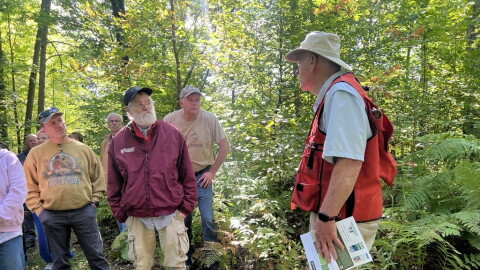 Stella Mayerhoff/KAXE / Report for AmericaRetired DNR forester Gary Anderson gave a walking tour of his forest property as part of a Cass Soil and Water Conservation District habitat management event.
 -
 Lorie Shaull/KAXEMichael L. LaFlex was convicted of first-degree premeditated murder by a Crow Wing County jury in 2024. He shot Bryce Brogle at a Merrifield storage facility in 2022.
 -
Plus: Demuth-affiliated political action committee receives $10 million infusion.
-
 Contributed/Michelle Griffith / Minnesota ReformerThe cash infusion suggests at least some big-money Republicans see glimmers of hope here in MN, where Dems have been weighed down by embarrassing stories about social services fraud.
 -
 Screenshot/BCA YouTube videoThe voluntary recommendations aim to help bring uniformity and consistency to sexual assault investigations and are related to victim support, evidence collection and post-conviction steps.
 -
Plus: Businesses in drought disaster area eligible for fed assistance, Bemidji tells a tale of two homecomings.
-
 Lorie Shaull/Special to KAXESmall businesses and private nonprofits may apply for up to $2 million in low-interest loan funding from the U.S. Small Business Administration before April 26, 2027.