


The U.S. Senate returns from recess Monday, Feb. 23, and could vote early in the week on whether to reverse a ban on mining near Minnesota's Boundary Waters Canoe Area Wilderness.
Recent House approval set off alarms about what it would mean for America's most-visited wilderness area.
In 2023, the Biden administration enacted a 20-year moratorium on mining within a watershed upstream from the Boundary Waters. The move was made to prevent pollution, namely sulfuric acid, amid one company's long-standing efforts to build a copper-nickel mine in the northeast part of the state. Republican lawmakers and the Trump administration insist the project is needed for critical minerals.
Brad Gausman, executive director of the Minnesota Wildlife Federation, said it wouldn't be worth it because the region's tourism economy would suffer.
"If those waters and landscapes are degraded, people aren't going to want to go fish and swim and recreate," Gausman said.
He also questioned whether the mining project would help America compete globally, pointing out the potential for extracted elements to be processed in China and then sold back to American firms. The company hinted it has not decided where the final processing would happen and argued there would be strong environmental protections. Despite concerns about hurting outdoor recreation work, a number of regional unions back the project because of mine-related jobs.
Gausman painted a picture of the ecological threats.
"The unique fisheries within the Boundary Waters, cold-water species that thrive there; lake trout, for example," Gausman outlined. "Water connects everything. Wildlife could potentially suffer that is drinking contaminated water."
There is also concern about harming drinking water resources and wild rice beds for Indigenous populations. The Superior National Forest said nearly 150,000 people visited the Boundary Waters in 2024, the last year of available data.
-
 Plus: Longtime North Country priest designated a "Servant of God."
 -
 Contributed/Timberjay via Diocese of DuluthThe longtime North Country priest now holds the designation of “Servant of God.”
 -
 KAXE Graphic/Screenshots of candidates' social media videosThe complaint by Deputy Aaron Ammerman against Sheriff Bryan Welk alleges inappropriate sharing of nude images and video. Welk says these claims are false and politically motivated.
 -
Plus: Cass County sheriff candidates issue video statements addressing a January 2026 complaint; and Minnesota's public defenders are struggling under heavy caseloads.
-
 Lorie Shaull/KAXEFamily memories, farming education and a bucket list swim make for a fruitful day at the Minnesota Cranberry Co.’s harvest in Palisade on Oct. 8, 2026.
 -
 Larissa Donovan/KAXEAmid conflicting statements about high-profile resignations in the wake of federal allegations of the tribe's child welfare program, members are invited to a community-wide listening session.
 -
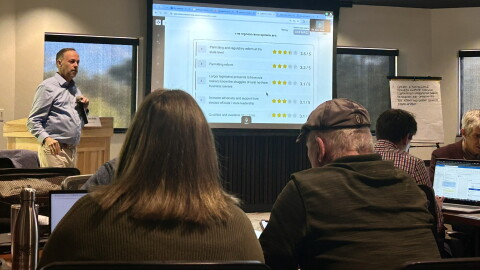 Emma Krab/KAXELeaders from Aitkin, St. Louis and Itasca counties and the Leech Land Band of Ojibwe named permitting reform, encouraging private-public partnerships and bolstering workforces as top economic development priorities.
 -
 Canva illustrationAuthorities believe speed may have been a contributing factor in the Oct. 16, 2026, crash.
 -
The Census Bureau is proposing making significant changes to the 2030 census. Minnesotans for the American Community Survey is raising awareness of the potential impacts.
-
Plus: National Weather Service provides winter outlook.


