-
 Forest Service officials continue to reopen additional sites and recreation areas impacted by wildfire in July 2026.
 -
 The campfire ban across the Superior National Forest was lifted Aug. 24, 2026, as cooler temperatures reduce wildfire risk. Parts of the Boundary Waters remain closed due to wildfires.
 -
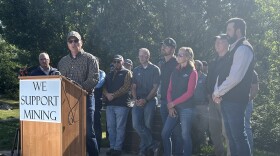 Stauber, state officials and local mayors voiced their opposition at a press conference Wednesday, Aug. 19, 2026.
 -
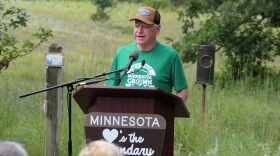 Walz is instructing the DNR not to grant permits. This move bears a strong risk of litigation over Twin Metals, which wants to extract copper, nickel, cobalt and other valuable metals from underground veins.
 -
 Boundary Waters entry points near Big Moose Lake and Big Lake are also scheduled to reopen on Aug. 13, 2026.
 -
 Drew Brockett of Piragis Northwoods Co. in Ely said it was a huge relief to have Fernberg corridor entry points open. But outfitters are still feeling the impact of continued closures.
 -
 Aircraft play an essential role in fighting wildfires. Seaplanes from the Ely seaplane base drop water, fire retardant and deliver firefighters — and canoes — to the blazes.
 -
 The delayed Forest Service grants would have supported prescribed burns and other fuel-reduction efforts on thousands of acres near the Echo Trail, which has borne the brunt of this year’s fires.
 -
The Superior National Forest announced the July 31, 2026, openings as Phase 3 of its reopening of the BWCAW, as well as the opening of recreation sites in the western forest.
-
 Campfires are now allowed in designated fire rings at Superior National Forest campgrounds, but not at backcountry sites, after updates to fire restrictions July 29, 2026.

© 2026
For assistance accessing the Online Public File for KAXE or KBXE, please contact: Steve Neu, IT Engineer, at 800-662-5799.
For assistance accessing the Online Public File for KAXE or KBXE, please contact: Steve Neu, IT Engineer, at 800-662-5799.

Play Live Radio
Next Up:
0:00
0:00
Available On Air Stations


