


CLOQUET — The Fond du Lac Band of Lake Superior Chippewa is the fourth tribal nation to sign a cannabis compact with the state of Minnesota.
The tribal-state compact signed Monday, Oct. 20, addresses jurisdictional issues related to both medical and adult-use cannabis industries, allowing tribal cannabis businesses to operate off tribally regulated lands.
“This compact reflects the respect and responsibility that define government-to-government relationships,” stated Bruce Savage, chairman of the Fond du Lac Band of Lake Superior Chippewa, in a news release.
“Our Fond du Lac Band has invested significant time and effort to help shape a fair and equitable agreement that upholds our values and affirms our commitment to responsible cannabis regulation in Minnesota. As the state’s cannabis industry continues to grow, this compact reinforces our role as sovereign leaders in building a safe and inclusive marketplace. We acknowledge the State of Minnesota’s recognition of tribal sovereignty through this compact.”
In establishing the state’s cannabis law, the Legislature directed the governor to negotiate intergovernmental agreements — cannabis compacts — with tribal nations sharing territory with Minnesota.
The Office of Cannabis Management has copies of each cannabis compact, with negotiations continuing with tribes across the state.
“Minnesota’s cannabis market is coming together as important partnerships fall into place, creating opportunities for mutual prosperity for Minnesotans and citizens of tribal nations,” stated Office of Cannabis Management Executive Director Eric Taubel.
“The compact between the state and the Fond du Lac Band builds on our shared commitment to establish a safe and equitable cannabis market that consumers can trust.”
Walz has signed compacts with the White Earth Nation, the Mille Lacs Band of Ojibwe and the Prairie Island Indian Community.
-
 Plus: Minnesota Department of Agriculture awards Farm to Food Security Grants
 -
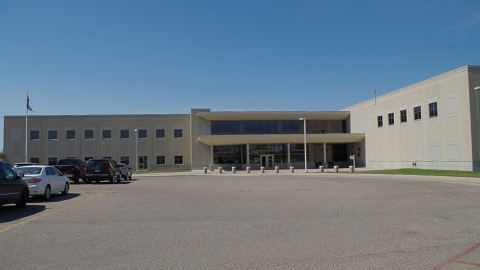 ContributedA statement of probable cause charges an officer at the Northwest Regional Correctional Center in Crookston with two counts of felony sexual assault.
 -
 Contributed/Courtesy Photo via Minnesota ReformerRepublican Ron Schutz owns more than $1.74 million of individual stocks, including in companies being sued by Minnesota.
 -
Essentia Health announces merger; Detroit Lake school board introduces 'viewpoint neutrality' policyPlus: Lost hunters rescued near Hibbing.
-
 Lorie Shaull/KAXEThe Detroit Lakes School Board rescinded its July 2026 action that prompted an ACLU lawsuit as it prepares to amend its policy on non-school materials.
 -
 Lorie Shaull/KAXEThe healthcare companies announced the merger on Sept. 29, 2026. The combined company would include 22 hospitals and over 135 clinics in Minnesota, North Dakota and Wisconsin.
 -
Plus: Superfund site in Hermantown to become FedEx distribution center; free well water testing kits available for Beltrami County residents.
-
 Lorie Shaull/KAXEThe Mesabi Metallics plant, which will source iron from the company's mine in Nashwauk, may begin producing steel as early as 2030.
 -
The retired DNR forester gave a walking tour of his forest property as part of a Cass Soil and Water Conservation District forest management event.
-
Plus: Aitkin's 68-year-old water tower is demolished; Demuth, Klobuchar will debate in the Brainerd lakes area; and we're partnered with ICTV to host school board forums.


