


GRAND RAPIDS — Itasca County will have a special election early next year to fill the County Board seat left vacant by Burl Ives, who died in September.
Ives was up for reelection this year for the District 4 seat. He died too close to Election Day for his name to be removed from the ballot.
District 4 residents voted to reelect Ives, who received 72% of the vote, triggering the special election. District 4 is in southwestern Itasca County and includes southwestern Grand Rapids and Harris, Blackberry, Splithand, Wildwood and Spang townships.


The Itasca County Board officially declared Ives' seat vacant for a second time and set the special election at its Nov. 19 work session.
Itasca County Auditor-Treasurer Austin Rohling explained to the board that the election will run just like any other.
“So if you’re in a mail-in, mailing district — which there is four in that district — you’ll receive a mail-in ballot," he said. "If you’re an automatic absentee, you will receive an absentee ballot. If you have a polling location, wherever you voted on November here, will be where you vote for that special election.”
The special election will be Feb. 11, unless more than two candidates file. In that case, the primary will be Feb. 11, and the special election will be April 8.
The filing period for candidates opens at 8 a.m. Wednesday, Nov. 27, and closes at 5 p.m. Thursday, Dec. 5. Candidates can file in person at the county auditor’s office or by mail.
-
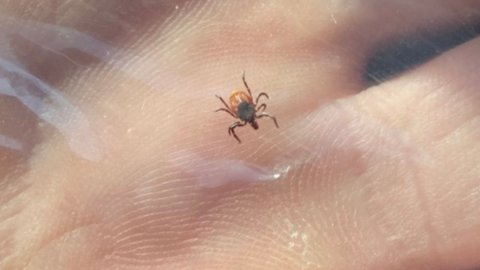 ContributedDozens of ticks as part of a study with the Marshfield Clinic Research Institute were submitted from the Bemidji area.
 -
 Contributed/MN DNRBow hunters harvested more than 30,000 deer during the 2025 archery season — an all-time high. The 2026 season runs from Sept. 19 through Dec. 31.
 -
 Emma Krab/KAXEThe mining company celebrated a $770 million federal loan and the production of its first concentrate at a blast event Sept. 17, 2026. Two days earlier, it announced the "next phase of investment" at an Itasca County Board meeting.
 -
 Contributed/Minnesota SenateProsecutors are calling for five years in prison for the former Grand Rapids state senator. His defense team is arguing for time already served, plus five years of supervision.


