



In the 1970s, a program called Expeditions of North America put together groups of teenagers with a slightly older counselor to go on epic cross-country journeys.
It was meant to "help put youth into an experience that would hopefully take them out of themselves, so to speak, and join with others to overcome adversity," Lauri Jorgenson explained in a recent Bright Spot conversation on the KAXE Morning Show.
The group has stayed in touch over the last 50 years. They are getting together on Tuesday, Aug. 25. It'll be the first time the whole group has been together in a long time.


Jorgenson and group leader Sue Liedl traveled with eight others from Crane Lake in Northern Minnesota intending to reach Saskatchewan. Their ultimate route was changed due to the dryness of the Saskatchewan River, but they traversed over 1,100 miles in 75 days.
Liedl had a background in social work, and when she saw a poster advertising the counselor position, she called the phone number right away and was hired that day.
"The first month, the group really didn't have an idea of what exactly we were doing. They just knew they could get out of their circumstances and go camping," Liedl said.
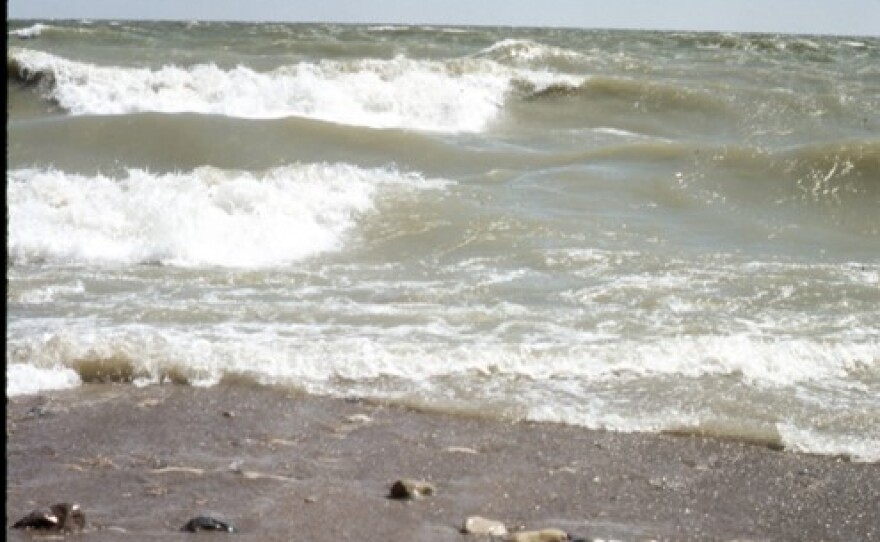
Things changed when the group encountered Lake Winnipeg.
"We had to cross that lake, and it was the most rigorous part of the trip," Jorgenson said. "I think that's what pulled us together. We needed to ... It was life-or-death, serious stuff. We couldn't be our squirrely 15, 16, 17 year-old selves."
The group of young people didn't know each other at all before this trip. They worked together each day to paddle and portage a 350-pound replica of a Voyageur canoe that was 26 feet long.
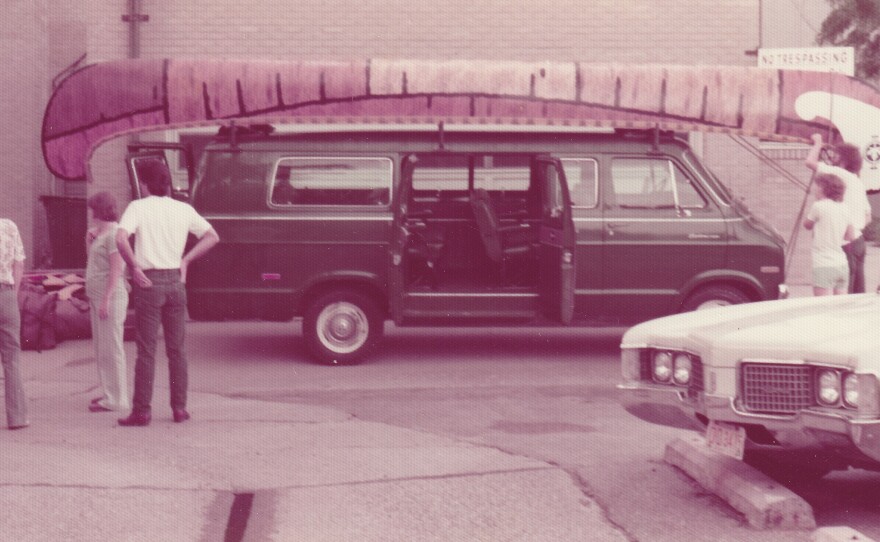

"When we got on land, we kind of wanted to get away from each other because we had enough!" Jorgenson said.
We also talked about what it was like readjusting to their previous lives after the trip.
Liedl had been living on the West Bank in Minneapolis before the trip and returned there afterward.
"The hardest part was the adjustment to the noise," she said. That was awful to come back to after hearing only nature sounds."
Jorgenson and fellow crew member Lori Matthews have been compiling photos, stories, journal entries and newspaper articles to document this trip in a book. It's called At Risk, and it should be available by Christmas. Email Jorgenson if you would like more information on ordering a book.
Listen to our full conversation above to hear more about how these women got involved in this trip, what their gear and food were like and whether they'll be canoeing at their reunion.
Is there a Bright Spot in your community? Let us know!
The Bright Spot is made possible by the Minnesota Arts and Cultural Heritage Fund and the citizens of Minnesota.


