


WASHINGTON — Some of the tribes that share geography with Northern Minnesota gave witness testimony before a House appropriations committee Tuesday, March 17.
The House Appropriations Subcommittee on Interior, Environment and Related Agencies hosted two sessions to hear American Indian and Alaska Native public witness testimony as it prepares its next budget.
Red Lake Nation is one of the pilot tribes of the Tiwahe Initiative. Tiwahe — a Lakota word for family and home — aims to foster collaboration between tribal and federal agencies, but tribes are given much discretion on how funds are used to promote family and individual well-being.
Red Lake Tribal Chairman Darrell Seki Sr. urged Congress to expand Tiwahe to more tribes, as well as fully fund programs like Indian Health Service as part of their trust and treaty responsibilities to tribes.
"You must work tirelessly to restore Indian Affairs funding and reject the president’s proposed cuts to these critical agencies,” Seki said. “Mandatory funding, not discretionary.”
Joining Seki on the Hill were White Earth Chairman Michael Fairbanks, Mille Lacs Chairman Virgil Wind and Fond du Lac Chairman Bruce Savage.
President Donald Trump proposed numerous cuts for the Bureau of Indian Education, Bureau of Indian Affairs and the Environmental Protection Agency that have been public since May 2025. His 2026 discretionary budget described many of these cuts as eliminating duplicative programs.
“For Fiscal Year 2026, the Administration had proposed overall cuts of about 35% for both the BIA and BIE, and it purposely hid from their budget justifications the line-by-line detail on what they were cutting,” Seki’s written testimony read, stating the move “left tribes and even Congress in the dark on where the cuts were.”
Last fall’s government shutdown, the longest in U.S. history, was prompted by an appropriations stalemate of the 119th Congress. A continuing appropriations act reopened the government on Nov. 12, 2025.
-
 Plus: Drought persists despite record rain; and U.S. Small Business Administration expands drought disaster loan eligibility to businesses in more Northern Minnesota counties.
-
 River and lake levels may appear normal after heavy bouts of rain, but escaping the ongoing storage drought could take years of above-average precipitation.
-
 Emma Krab/KAXESecond Chance Homes is a pilot program among Iron Range organizations to renovate tax-forfeited properties. In its first phase, the program is restoring four homes in St. Louis County.
-
 Lorie Shaull/Special to KAXEAccording to court documents, Jeremy Dean Rooney, 37, is accused of assaulting a family member in the presence of children.
-
 Lorie Shaull/KAXELeaders of communities with high turnout say their residents are involved in local organizations, invested in the issues and want to have their voices heard.
-
Plus: State disaster assistance is available to counties near BWCAW fires; and the IRRR is piloting a program to rehabilitate tax-forfeited properties.
-
 Lorie Shaull/KAXECook and Lake counties can use funds from Minnesota's Disaster Assistance Contingency Account to cover repair costs for damaged public infrastructure.
-
 Contributed/Bridget Bennett / MinnPost / CatchLight Local / Report for AmericaSince 2001, the DNR has been reintroducing native freshwater mussels into this section of the Mississippi, returning every year to add more mussels and monitor the ones that are already there.
-
 Stella Mayerhoff/KAXE / Report for AmericaSmall businesses and nonprofits throughout north-central Minnesota are now eligible for low-interest loans up to $2 million.
-
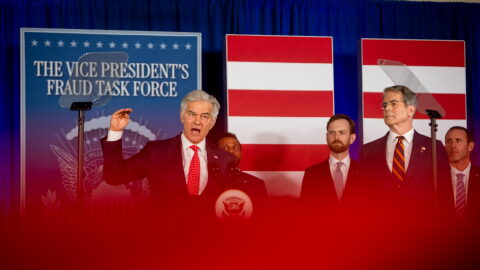 Contributed/Nicole Neri / Minnesota ReformerThe federal government has repeatedly threatened to freeze or claw back payments, but this sum is the first time the administration has permanently denied payments.


