


BEMIDJI — The Minnesota Department of Health will take public comment on Sanford Health's plan to close its rehabilitation unit in April.
Sanford Health filed a plan with the state health department to transfer its inpatient rehabilitation unit beds to other units. Patients requiring inpatient rehab will be transferred to swing beds, skilled nursing facilities or other facilities outside of the area.
The department's Health Regulation Division will host a public hearing 6 p.m. Jan. 17 to discuss the transition with the greater Bemidji area.
The meeting will be via Microsoft Teams and by phone, with more information at the Sanford Bemidji Medical Center Public Hearing webpage.
More from KAXE
-
 Plus: Meat processing facility in Staples opens
 -
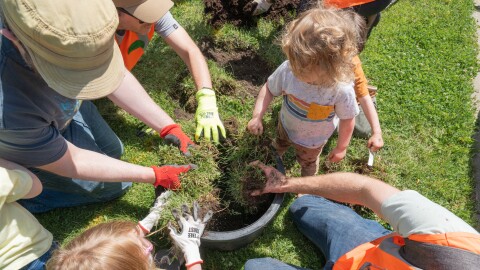 Contributed/Deborah Rose / Minnesota Department of Natural ResourcesThirty-three communities received nearly $5 million in funding, including Virginia, Hill City and other Northern Minnesota cities. A new DNR grant closes Sept. 14, 2026.
 -
 Megan Buffington/KAXELocal livestock producers face limited options for meat processing and slaughter amid market consolidation and workforce shortages.
 -
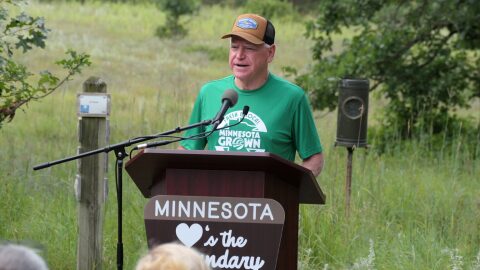 Contributed/Max Nesterak / Minnesota ReformerWalz is instructing the DNR not to grant permits. This move bears a strong risk of litigation over Twin Metals, which wants to extract copper, nickel, cobalt and other valuable metals from underground veins.
 -
And: Glen's Army Navy in Grand Rapids to close after 80 years.
-
 Emma Krab/KAXEGlen’s Army Navy Store in Grand Rapids, founded in 1946, began liquidating its inventory Monday, Aug. 17, 2026, after 80 years in business.
 -
 Contributed/Nicole Neri / Minnesota ReformerThe U.S. Department of Justice sued Minnesota Secretary of State Steve Simon over his refusal to hand over the voter registration list, which includes voters’ names, birthdates, addresses and partial Social Security numbers.
 -
 Larissa Donovan/KAXEIn an email to KAXE, the FBI provided statements on the active investigations into recent incidents on the Red Lake Nation.
 -
 Red Lake and four other Northern Minnesota counties are classified as legal deserts, with fewer than one practicing attorney per 1,000 residents.
 -
Red Lake and four other Northern Minnesota counties are classified as legal deserts, with fewer than one practicing attorney per 1,000 residents.


